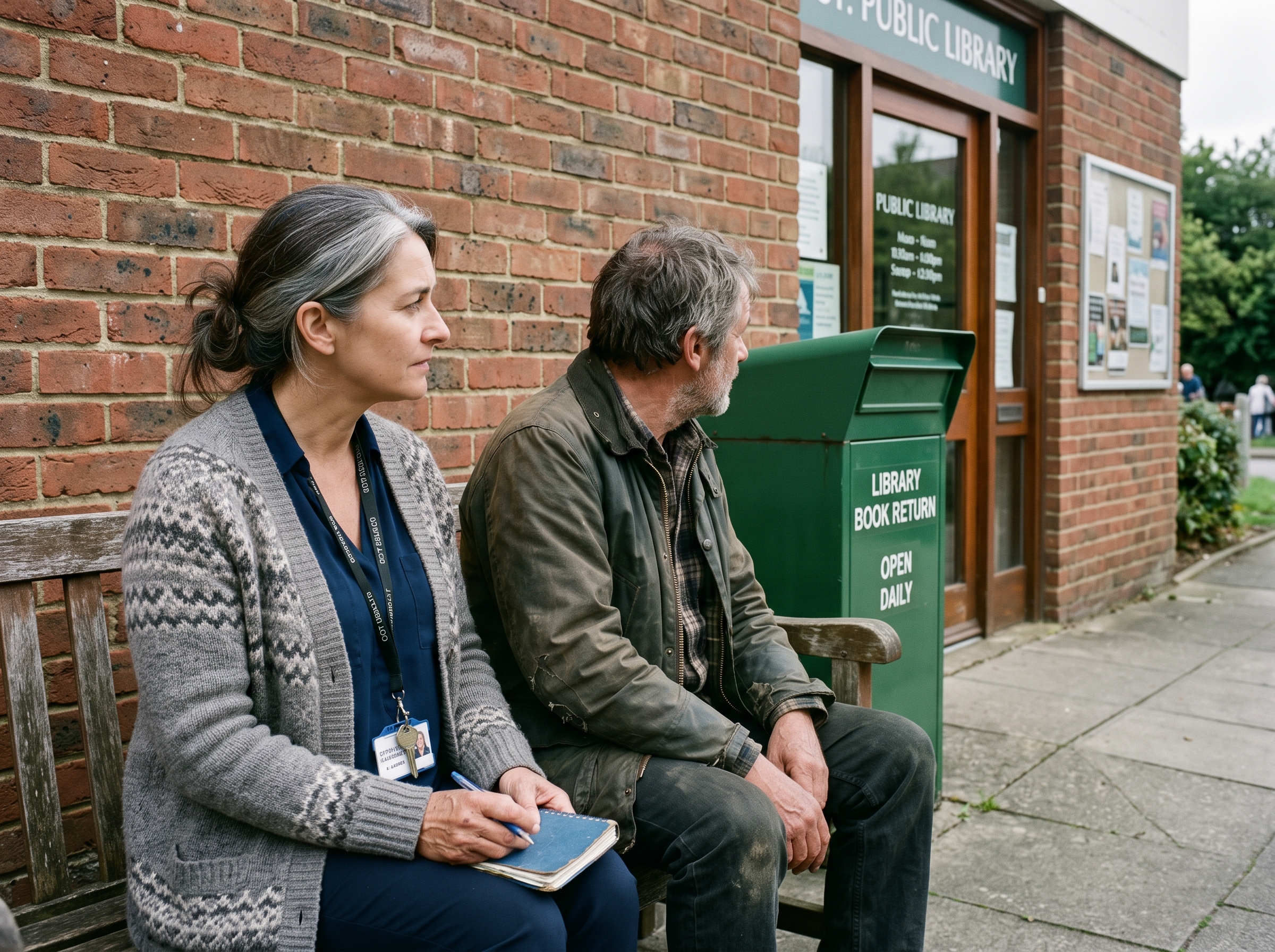
Behavioral health, law enforcement, and EMS, finally working from the same playbook.
Real outcomes from crisis and co-responder programs running on Julota.
Fewer jail bookings for individuals in diversion
Reduction in crisis response encounters
Fewer jail bookings for individuals in diversion
Source: Julota customer program outcomes
Not ready for a call? See the platform in action right now. In two minutes you’ll see:

Every month without shared records, the same problems repeat:
Every hour spent hunting down records is an hour not spent with someone in crisis.
When the quarterly report is due, someone loses two weeks stitching numbers together by hand.
When funding review comes, “we think it’s working” doesn’t keep a program alive. Numbers do.
Programs on Julota walk into renewal meetings with defensible outcome data, not guesswork.
See How It Works, LiveA personalized, 60-minute walkthrough built around how your program actually runs. Sixty minutes now can replace the two weeks your team loses to every quarterly report.
Takes 30 seconds. A Julota specialist will reach out to confirm your time.
Yes. Julota integrates with any CAD or RMS, plus EHRs like Epic, Cerner, and AllScripts and ePCRs like ESO and ImageTrend. Nobody leaves the system they already work in.
Co-responder programs average $10,000 to $65,000 for the first year, depending on population size, active clients, and how many teams you dispatch. You’ll see exact pricing on the demo.
Outcomes reporting is built in, so your grant applications carry real numbers instead of estimates.
Law enforcement, EMS, hospitals, substance abuse centers, social services, and community organizations. Consent tracking under HIPAA, 42 CFR Part 2, and CJIS is what the platform is built on.
Yes. Every program gets training through support services, with higher tiers adding consulting hours and weekly support.
Download the Pitkin County co-responder case study. It’s the same document program managers hand their board to make the case internally.